12 Months of Nature Study: Inspiring Adventures for Homeschoolers to Explore the Natural World
Looking for an easy way to spark curiosity and connect with nature in your homeschool? These month-by-month nature study ideas are a gentle and flexible way to explore the changing seasons with your children, no matter their age or stage.
Whether you’re just getting started with nature study or simply want a few fresh ideas to build into your rhythm, this guide will help you find simple ways to get outside, notice the little things, and enjoy hands-on learning together.
Nature Study in Your Homeschool
In today’s busy, tech-filled world, it’s easy to overlook just how much children gain from time outdoors. But nature has a way of grounding us. It builds wonder, sparks questions, and gives children space to observe and explore in their own way.
Nature study doesn’t have to be complicated. A short walk around the garden, watching the sky, or noticing changes in the seasons is often all it takes to start a meaningful conversation or spark an interest in the world around us.
Charlotte Mason wrote about the importance of nature study more than 100 years ago, encouraging children to develop a relationship with their natural surroundings through quiet observation and time outdoors. More recently, ideas like “nature-deficit disorder” have helped shine a light on how essential this connection still is for children’s physical, mental, and emotional well-being.
If you’re not sure where to begin, keeping a simple nature journal is a great place to start. We’ve shared some tips here on how to begin nature journaling with kids, including favourite supplies and easy ways to get going.
A Few Reasons to Make Time for Nature
Here are just a few of the ways we’ve seen nature study benefit our own home education journey:
- It builds observation skills – noticing small changes, patterns, and details.
- It supports wellbeing – time outdoors can be calming and restorative, especially after a busy or challenging day.
- It sparks questions – nature is full of mysteries! We often find science, art, or story ideas grow from what we see.
- It builds connection – with the environment, with the seasons, and with each other.
And perhaps most importantly, it’s a simple way to pause and enjoy the moment together.
A Year of Simple Nature Study Ideas
Below you’ll find a full year of monthly themes to explore. You don’t need to follow every idea or tick off every activity, just use them as a gentle prompt to get outside and notice the world around you.
Where possible, I’ve linked to related blog posts or extra resources to help you go deeper if you’d like to.
Also check out our month-by-month backyard nature study for ideas closer to home.
Month-by-Month Nature Study Ideas for Home Educators
We hope that these ideas will help you to create a simple set of nature study focuses per month that you and your kids will enjoy.
January
Winter Wildlife Observations: Encourage children to observe and document the wildlife they spot during winter, such as birds, squirrels, or wintering insects.
February
Signs of Spring: Look for the first signs of spring, such as budding trees, blooming flowers, or returning migratory birds.
March
Weather Watching: Use the changeable weather patterns of March to study meteorology. Observe and record daily weather conditions, including temperature, wind direction, and precipitation. Discuss the formation of clouds, rain, and the role of sunlight in weather patterns.
April
Butterfly Gardening: Teach children about butterflies and their life cycle. Plant a butterfly-friendly garden with nectar-rich flowers and host plants for caterpillars.
May
Pond Study: Visit a local pond or stream and observe the ecosystem. Look for aquatic plants, insects, amphibians, and birds.
Ready to Add Some Science to Your Nature Study?
Try the Rainy Day Science Book Club Starter Pack, a gentle, book-inspired way to explore science with your 3–6 year old.
- Hands-on science activities
- Beautiful printable journal pages
- Observation prompts + parent guide
- Designed for curious preschoolers and relaxed homeschool days
June

Summer Solstice Celebration: Learn about the summer solstice and its significance. Engage in outdoor activities like making sun prints or having a bonfire.
Check out our Summer Solstice Unit Study ideal to combine your June Nature Study and some learning together.
July
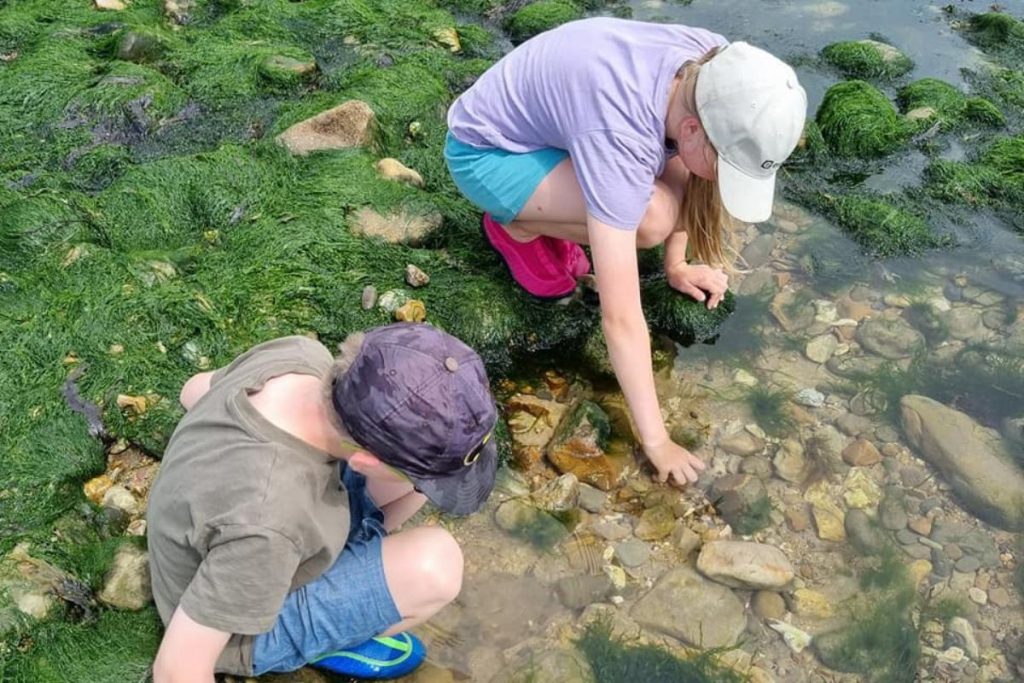
Seashore Exploration: Take a trip to the nearest coastline or lakefront and engage in seashore exploration. Observe the tides, investigate tide pools, and discover the diverse marine life that inhabits these environments.
Read our seashore nature study for summer for ideas and activities you can enjoy too.
Looking for even more ideas then check out our Nature Study Ideas for the month of July with 7 more fantastic, fun and engaging ideas for your kids to enjoy this summer.
August

Night Sky Exploration: Explore the night sky by stargazing. Identify constellations, learn about the moon phases, and observe meteor showers if there are any during this time.
Looking for more inspiration for August – check out our ideas for nature study with your kids in August.
September

Harvesting and Gardening: Involve children in harvesting fruits or vegetables from a garden. Discuss the importance of sustainable gardening practices. Check out our guide to garden schooling with your kids if you would like to add more growing and harvesting to your home education days.
If you need even more inspiration for September check out our ideas and inspiration for nature study in September ideal for the change from Summer to Fall.
October

Leaf Identification: Collect fallen leaves and identify different tree species. Discuss the unique characteristics of each tree and why leaves change color. That’s just the start why not check out our Leaf Nature Study Unit for Fall for more ideas.
Looking for more inspiration and activities for October then check out our Nature Study Ideas for October with Kids for even more suggestions.
November
Animal Adaptations: Study how animals adapt to survive in colder climates. Focus on hibernation, migration, and how animals find food during this time.
December
Winter Solstice Rituals: Explore different cultural and historical winter solstice traditions. Create your own family rituals to celebrate the shortest day of the year.
A great way to combine Nature Study with other subjects is through books – check out these Brilliant Nature Books for Kids for some ideas that you can share with your kids throughout the year.

Gentle science, nature, and storytime fun for ages 3–6
Start today with our free printable Starter Pack.